
From 2024 to early 2026, Sudan experienced a massive cholera outbreak, amid the backdrop of a fragile health system, disrupted essential services, and mass displacement due to years of conflict. Lessons learned from the community-led response could offer guidance for other countries facing similar instability.
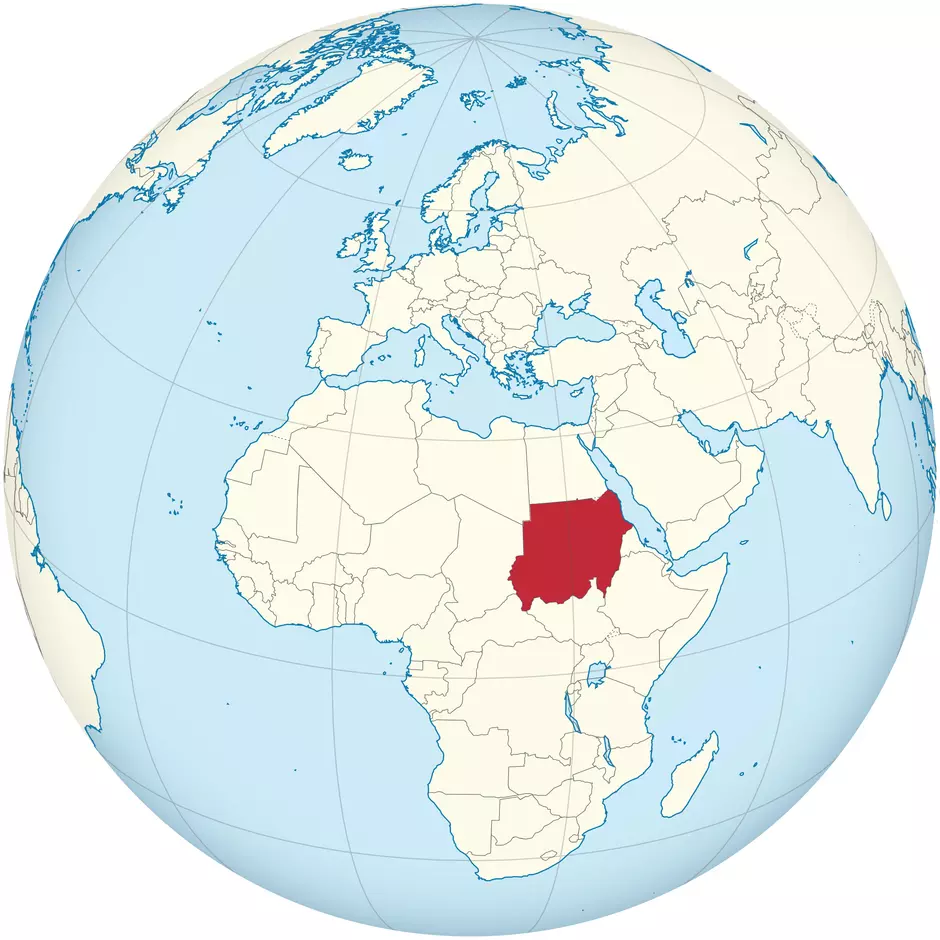
In 2024, Sudan experienced a cholera outbreak amid the backdrop of a fragile health system, disrupted essential services, and mass displacement due to years of conflict. As the conditions were conducive to cholera transmission, the outbreak quickly spread throughout the country. By the time the last case was reported on January 14, 2026, a total of 124,418 people had been infected, resulting in 3,573 deaths (1).
Once a cholera outbreak is underway in this context, disease transmission can outpace routine measures. To control the outbreak, a layered, community-anchored response was established in Khartoum and Tawila. The response coupled standard cholera packages with low-cost, community-owned strategies designed for rapid scale-up in insecure settings (2). The local approach included micro-oral rehydration points and doorstep rehydration, bucket chlorination and “chlorine buddies”, rumor tracking → risk communication feedback loop, women- and youth-led outreach cells, low-tech referral hotlines, lean supply choreography, and two-way accountability (2).
Lessons learned from this approach offer guidance for countries facing similar instability:
Speed and integration: Rapid, synchronized deployment of treatment units, rapid-response teams, vaccination, WASH (water, sanitation, and hygiene), and community messaging proved feasible even in conflict settings.
Household-level actions: Point-of-use chlorination, hand hygiene, and fast referral from community rehydration points reduced severe cases, particularly when embedded in outreach visits.
Community trust: Engaging local leaders, women, and youth cells, combined with rapid rumor-to-messaging feedback loops, improved early care-seeking, vaccine uptake, and hesitancy management.
Surge logistics: Pre-negotiated humanitarian corridors, diversified vendors, and pre-positioned micro-depots were essential to prevent stockouts and last-mile supply failures.
Sudan's cholera outbreak illustrates how conflict and humanitarian crisis can rapidly overwhelm health system capacity. Yet this experience demonstrates that effective, community-rooted responses remain possible even in the most constrained settings. This experience also underscores the urgent need to embed cholera preparedness within broader health system resilience strategies.
For further information on the grassroots approach,
the full report is available here.